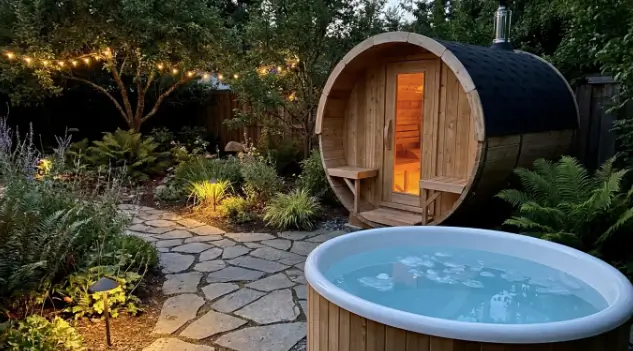
Winter is when a sauna kit gets used the most, since the contrast between a heated cabin and cold outdoor air is the entire appeal of the traditional sauna routine, and short days make a 20-minute hot session more attractive than it is in July. Practically, winter is also often a better time to buy: retailer demand tends to slow in the colder months, and ordering early means installation and any electrical work happen before the following winter instead of during the busiest contractor season in spring and summer.
Why Does a Sauna Feel Better in Winter Than in Summer?
The temperature contrast between the cabin and the outside air is sharper in winter, and that contrast is a large part of what makes the sauna experience feel worthwhile. Stepping from a 180-degree cabin into 25-degree air produces a jolt that a summer session, going from a hot cabin into already-warm evening air, simply cannot match. Regular winter users also tend to report using the kit more consistently during the colder months, since a hot sauna session is a more appealing way to end a cold day than it is to add extra heat to an already warm summer evening.
Does Cold Weather Make the Heater Work Harder?
Yes, to a degree. A heater has to close a bigger gap between outdoor and target temperature in January than in September, so warm-up on a 20-degree evening takes a bit longer and draws slightly more electricity than warm-up on a 55-degree fall night. For a well-insulated cedar kit, the difference is usually modest, an extra few minutes of warm-up and a small increase in the per-session electricity cost, not a dramatic jump. A poorly insulated or older cabin with gaps in its panel joinery will feel the winter difference more, which is one more reason panel fit and insulation quality matter when choosing a kit in the first place.
What Does an Outdoor Kit Need to Handle Freezing Temperatures?
Outdoor cedar kits are built to handle winter weather as a matter of course, but a few things are worth checking before the first hard freeze. Door seals and hinges should be inspected and adjusted if the door has started sticking or not sealing flush, since a gap there lets heat escape and lets cold air undercut the heater’s work. Any drainage or plumbing near the unit, including a nearby cold plunge if the setup includes one, needs to be protected from freezing. A gravel or paver base drains better than a flat concrete pad without a slope, which matters more in winter when meltwater refreezes overnight.
Is Winter Actually a Good Time to Buy a Sauna Kit?
It often is, for reasons that have nothing to do with the weather itself. Retailer demand for outdoor living products typically slows in the colder months, which can mean better availability and less waiting on backordered models compared with the spring rush. Ordering in winter also means the electrical work, one of the longer lead-time parts of the project, gets scheduled with an electrician during a slower season rather than competing with every other outdoor project in April and May. A kit ordered and installed in winter is ready to use for the following winter’s coldest stretch instead of sitting half-finished through spring.
Is It Safe to Go From a Hot Sauna Into Freezing Air?
For most healthy adults, a brief walk into cold air right after a sauna session is well tolerated and is, in fact, the traditional way sauna bathing is practiced in Nordic countries, sometimes followed by rolling in snow or a quick dip in cold water. The temperature swing is real cardiovascular stress, though, so anyone with a heart condition, uncontrolled blood pressure, or who is pregnant should get individual guidance before making cold exposure a regular habit. Dressing for the walk back inside, rather than lingering outside in wet hair and bare feet, is a simple step that avoids turning a pleasant ritual into an uncomfortable one.
What Does the Research Say About Sauna Use in Cold Climates?
Much of the foundational research on sauna bathing comes from Finland, a country with a genuinely cold climate, and a systematic review of regular dry sauna bathing built on those Finnish cohorts found associations between frequent use and favorable cardiovascular markers. A review examining sauna bathing alongside other lifestyle factors found the combination with regular exercise, itself often more of a winter indoor habit, was associated with additional benefit over sauna use alone. A separate review on heat and cold physiology specifically discussed the body’s response to alternating hot and cold exposure, the exact pattern a winter sauna routine naturally creates. None of this proves a winter sauna habit is healthier than a summer one, but it does mean the research base is drawn heavily from people using saunas in cold conditions similar to a Northern winter.
What Should a Winter-Ready Kit Cost, and Where Do You Compare Options?
A cold-climate buyer should expect the same baseline pricing as anyone else, roughly $3,500 to $9,000 installed for a two-to-six-person cedar kit depending on size and heater wattage, with no meaningful winter surcharge from a reputable maker. What does matter more in a cold climate is panel thickness and door seal quality, since a thin-walled budget kit loses heat faster once the outdoor temperature drops well below freezing, which shows up as a higher electric bill and a heater working harder to hold temperature all winter. Specialty retailers including SweatDecks list panel thickness and insulation details alongside heater specs, which is worth comparing line by line before ordering a kit that will spend its first season in a genuinely cold yard rather than assuming any cedar kit performs the same once the temperature drops. A slightly higher upfront cost for better panel fit and sealing tends to pay for itself over several winters of lower heating cost and less wear on the heater from constantly fighting heat loss.
Frequently Asked Questions
Does cold weather make a sauna kit heater work harder? Yes, somewhat. Warm-up in a 20-degree yard takes a little longer and costs slightly more per session than on a mild evening, though the difference is usually modest.
Can a sauna kit be used outdoors in freezing temperatures? Yes, outdoor cedar kits are built for winter weather. Check door seals, hinges, and any drainage before the first hard freeze.
Is it better to buy a sauna kit in winter or wait for spring? Winter often has an edge: slower retailer demand and electrical work scheduled before the busy spring contractor season.
Does stepping from a hot sauna into cold winter air cause a health risk? For most healthy adults, brief cold exposure afterward is well tolerated. People with heart conditions should get individual guidance first.
References
- Clinical Effects of Regular Dry Sauna Bathing: A Systematic Review, Evidence-Based Complementary and Alternative Medicine, 2018
- Does the Combination of Finnish Sauna Bathing and Other Lifestyle Factors Confer Additional Health Benefits? A Review of the Evidence, Mayo Clinic Proceedings, 2023
- Effects of heat and cold on health, with special reference to Finnish sauna bathing, American Journal of Physiology – Regulatory, Integrative and Comparative Physiology, 2018
By Greg Sutton